
Why drains clog in the first place
A drain is a sloped pipe that depends on gravity and a little water to carry waste away. Anything that sticks to the pipe wall narrows the path, and anything solid that catches on the narrowing makes it worse. A clog is usually a slow pile-up, not a single event.
Three materials cause most of it: grease and fat in kitchens, hair and soap scum in bathrooms and tree roots or paper products in the main sewer line. Each one calls for a different habit.
The kitchen sink: grease is the enemy
Hot grease looks like a liquid going down. Within a few feet of pipe it cools, hardens and coats the wall. Dish soap and hot water move it along but do not remove it, and it collects again in the next cool section of pipe.
Pour cooking fat into a can, let it set and put it in the trash. Wipe greasy pans with a paper towel before washing. Use a sink strainer for food scraps. If you have a disposal, it chops food but does not stop grease, a point our garbage disposal page covers in more detail.
The bathroom: hair, soap and wipes
Hair is the main culprit in tubs and showers. It tangles with soap scum into a plug that sits just below the stopper. A cheap mesh hair catcher is the best tool you can buy, and you empty it into the trash.
Toilets handle human waste and toilet paper. Wipes, cotton swabs, dental floss and feminine products do not break down, even when a package says flushable. They catch on rough spots and build a mat that stops the whole line. If a toilet already runs slow, our toilet repair team can check the trap and flange.
Quick chartWhat goes down the drain
| Item | Sink or tub | Toilet | Better place |
|---|---|---|---|
| Cooking grease and oil | No | No | Sealed can in the trash |
| Coffee grounds | No | No | Trash or compost |
| Hair | No | No | Trash, use a catcher |
| Wipes labeled flushable | No | No | Trash |
| Eggshells and rice | No | No | Trash or compost |
| Toilet paper | No | Yes | Toilet only, moderate amounts |
| Soap and shampoo suds | Yes | Yes | Rinse with warm water |
A monthly routine that works
- Remove and clean sink strainers and tub stoppers.
- Flush each drain with a kettle of hot, not boiling, water after rinsing off grease.
- Check under sinks for slow drips at the trap.
- Pour a small amount of baking soda and vinegar for odors, then rinse. It freshens but does not clear a real clog.
- Run every fixture, including the guest bath, so traps do not dry out.
Skip the liquid chemical drain openers. They generate heat and can damage older pipes and fittings. They also leave a hazardous standing pool for the next person who has to work on the pipe.
Out of sightThe main sewer line and outdoor cleanouts
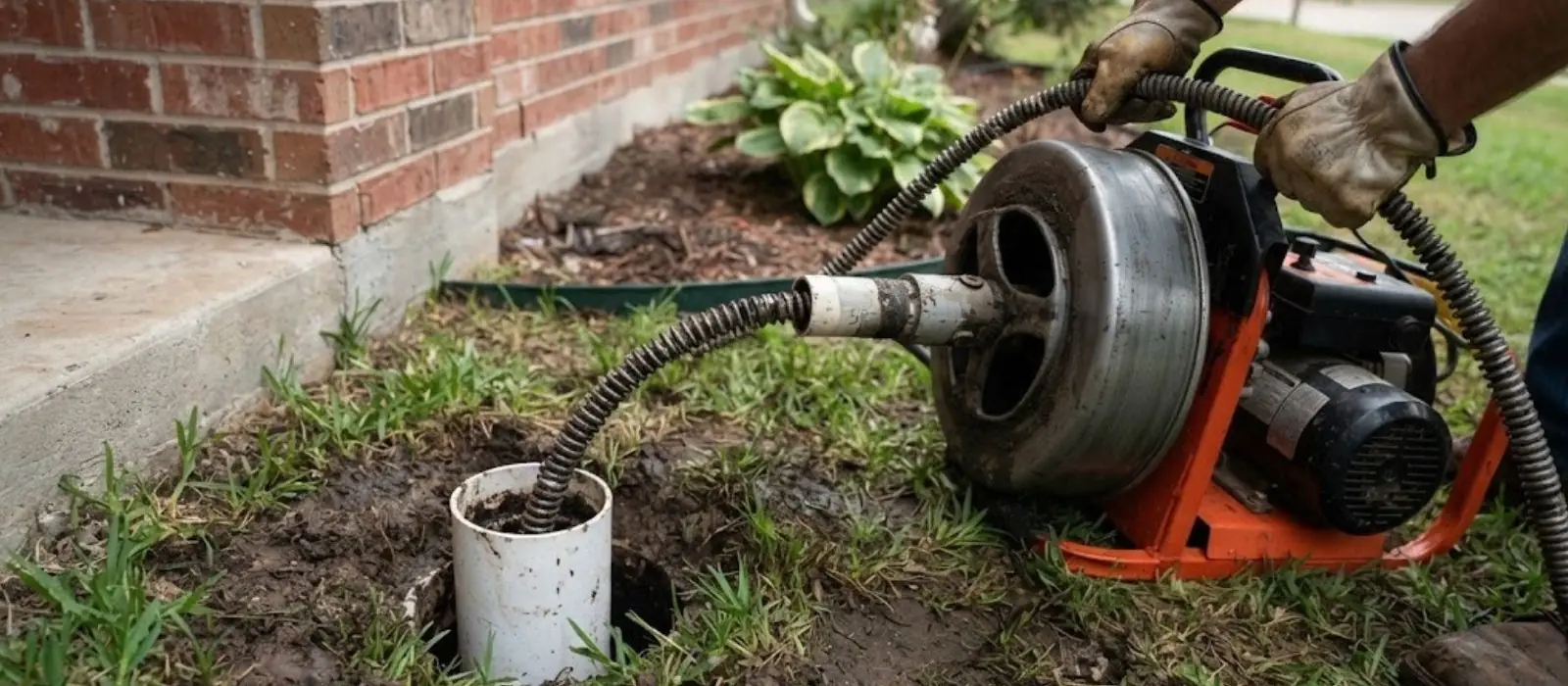
If more than one fixture backs up, or a floor drain gurgles when you run the washer, the problem is probably in the main line. Roots find tiny cracks in older clay and cast iron pipe and grow into a mat that catches everything. Scale, grease and settled solids narrow the line from the inside.
A camera inspection shows the real condition. We cover that on the sewer inspection page, and hydro jetting clears the line with high-pressure water, described in hydro jetting.
Sanger homes and older pipes
According to the city's housing element, 53 percent of Sanger's homes are more than 30 years old and about 29 percent are more than 50 years old. Older lines are more likely to have rough joints, sags and root entry points that collect debris. A slow drain in an older house is worth taking seriously.
The City of Sanger runs the public sewer system and two treatment plants, but the pipe from your house to the street belongs to you. If you live in Reedley or Kingsburg, your own city handles the main, and the same split between city and homeowner pipes applies. When in doubt, ask the city who owns the part that is backing up.
Drain slow or backing up?
Call the 24/7 line before a slow drain becomes a floor full of water.
Habits for renters, families and busy kitchens
Households with young children flush things that surprise adults, from toys to whole rolls of paper. A quick talk about what belongs in the toilet saves a service call. Keep a small lidded trash can in each bathroom so wipes and cotton swabs have an obvious home.
Busy kitchens put the most load on a drain. If you cook for a crowd, scrape plates into the trash before rinsing, wipe pans, and run hot water for a few seconds after the sink empties. In a rental, tell the landlord about a slow drain early, because it is far cheaper to treat than a full backup.
Signs it is time to call a plumber
- More than one fixture is slow or gurgling at the same time.
- Water backs up in a tub or floor drain when you flush a toilet.
- A drain smells like sewage even after cleaning.
- You have cleared the same drain more than once in a month.
- Water comes up at an outdoor cleanout.
If one sink is slow, a hand snake or a trap cleaning often solves it. Beyond that, forcing a clog can push it deeper. Our sewer line cleaning visits remove the cause rather than push it along.
FAQDrain prevention questions
Clean strainers and stoppers monthly. Have a plumber clean the main line when you notice slow drains or after repeated clogs.
It can freshen a drain and loosen a light film, but it will not clear a solid clog or a root intrusion.
A disposal helps with soft food waste, but it does not handle grease, starchy foods such as rice or fibrous scraps. Treat it as a helper, not a trash can.
When sewage backs up into the house or no drain works, call right away and stay out of standing water.