
What we install
Kitchen and bath fixtures
Sinks, faucets, toilets, showers, tubs and shower valves. We connect supply, drain and vent correctly.
Laundry and appliance hookups
Washer boxes, dishwasher lines, ice maker lines, and drain connections.
Outdoor plumbing
Hose bibs, yard lines and irrigation connections to the house.
Remodel and addition plumbing
New bathrooms, kitchens and laundry rooms need supply and drain lines sized and routed to code.
Rough-in, set and final
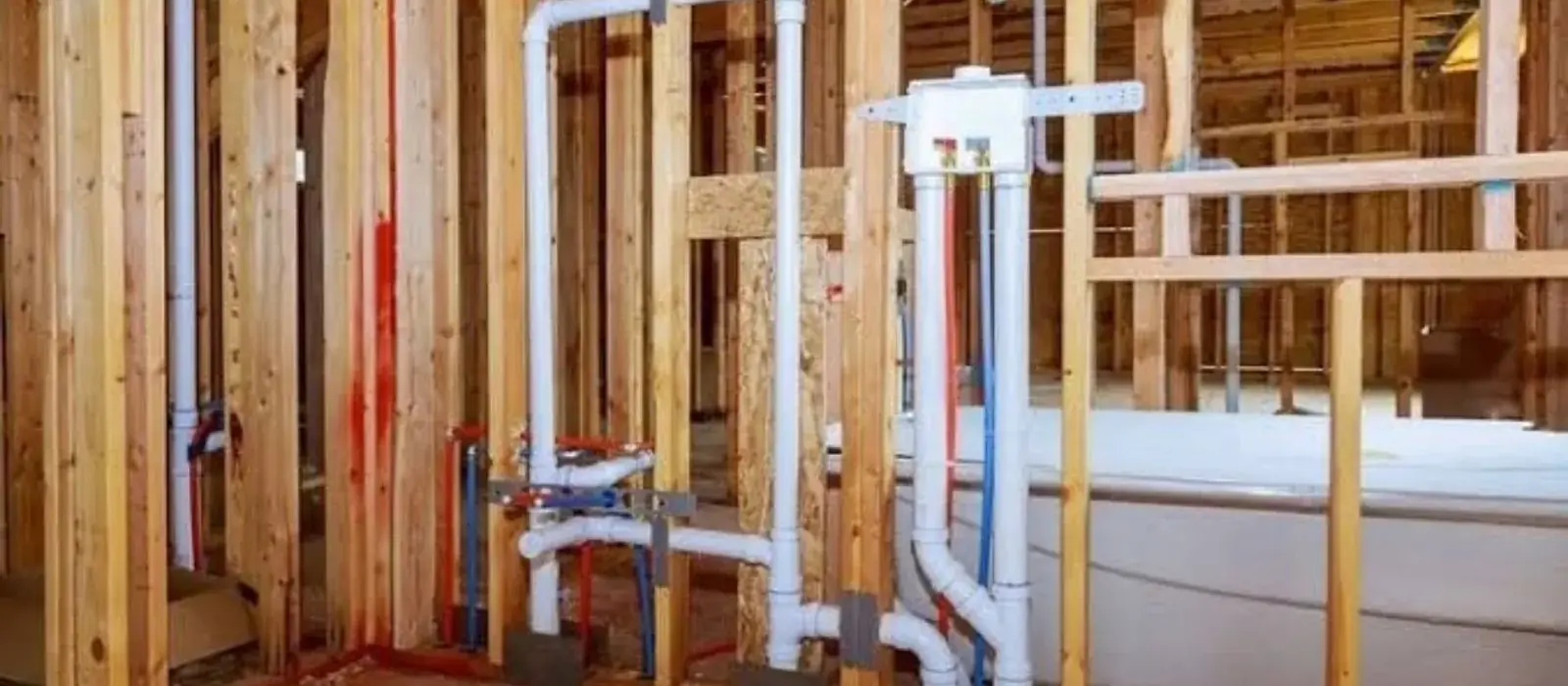
Installation work usually has three stages. Rough-in puts supply, drain and vent piping inside the walls and floors before they close. The set stage mounts fixtures once walls and finishes are done. The final stage tests every fixture for leaks, flow and drainage.
Good installs are planned before the walls are open. A plumber checks the layout, the fixture count and the drain slope, because a drain that does not slope correctly will clog for as long as the house stands.
| Stage | What happens | Inspection |
|---|---|---|
| Rough-in | Pipe is run in walls and floors | Often before drywall |
| Set | Fixtures are mounted and connected | After finishes |
| Final | All fixtures are tested | Usually the last sign-off |
Permits, code and licensing
Adding fixtures or changing pipes in California usually involves the California Plumbing Code and, in many cases, a permit. Whether your project needs one depends on the scope and the city. The Sanger Building Division issues building permits, and we advise checking with it before work starts.
Plumbing contractors in California hold a C-36 license, and you can look up any contractor on the California Contractors State License Board website. Using a licensed plumber protects you if a problem appears later.
Backflow and cross-connection protection
New plumbing that connects to irrigation, a fire line, a boiler or a commercial process can need a backflow preventer. A backflow device stops used water from flowing back into the drinking supply. Many cities require annual testing for certain devices, so ask Sanger Public Works about requirements for your situation. Our commercial plumbing page covers testing for businesses.
Sanger homesLocal conditions that shape installs
The city's housing element reports 53 percent of Sanger homes are more than 30 years old. When a new fixture connects to an older line, the plumber checks the pipe material and the shutoff valves. Old galvanized pipe can be too corroded to connect to safely, which may point to repiping.
Sanger's city water averaged 145.5 ppm hardness in the 2024 report, so we suggest scale-resistant choices, such as aerators that are easy to clean and fixtures with accessible cartridges. A water softener is also a practical add-on for a remodel.
What affects the price of plumbing installation
Installation pricing depends on the scope. We give a clear price before work starts.
Insurance does not pay for planned installations. Want your real number? Call (855) 575-2890.
Planning a remodel?
Call the line to schedule plumbing installation or to talk through the scope.
Planning an installation visit
Clear access saves time. Move stored items away from the sink base, the water heater closet or the wall where a fixture will go, and tell the dispatcher what is being installed and where the shutoff valves are. If you bought the fixture yourself, keep the box and the instructions, because model numbers decide the rough-in dimensions and the supply fittings.
Older homes sometimes hide surprises behind a wall, such as corroded shutoffs or mixed pipe materials. A plumber looks at the existing lines first and explains any extra work before it begins, so the price you hear matches the job you get.
Safety stepsWhat to do before the plumber arrives
- Clear access to the work area and tell us where the shutoff valves are.
- Keep fixture boxes and instructions where the plumber can find them.
- Know where your main water valve is before work starts.
- Keep children and pets out of the work area.
Codes for new plumbing
The California Plumbing Code, which is based on the Uniform Plumbing Code (UPC), sets the rules for pipe, fixture and water heater work in the state. Permits and inspections for new work are handled through the local building department, so ask the city what applies before work begins.
FAQPlumbing installation questions
Yes. Tell the dispatcher what you have, and the plumber confirms the rough-in dimensions.
It depends on the scope. The Sanger Building Division can tell you. Permit rules vary.
We handle remodel and addition plumbing. Tell the dispatcher about the project size.
The 24/7 line stays open. Call for emergency repair at any hour.